img

METAL HARDNESS TESTER

A Metal Hardness Tester measures the resistance of a material to deformation, indentation, or scratching. It ensures that the metal used in fabrication meets the required mechanical strength and durability standards.

How it improves quality:

  1. Confirms the metal grade and material properties before fabrication.
  2. Ensures components can withstand operational loads, impact, and wear.
  3. Prevents the use of substandard or incorrectly supplied material.
  4. Enhances the reliability and structural integrity of finished products.

By verifying hardness, we guarantee that every component fabricated meets the exact strength parameters required for safe and long-lasting performance.
DIE PENETRATION TEST (DPT)

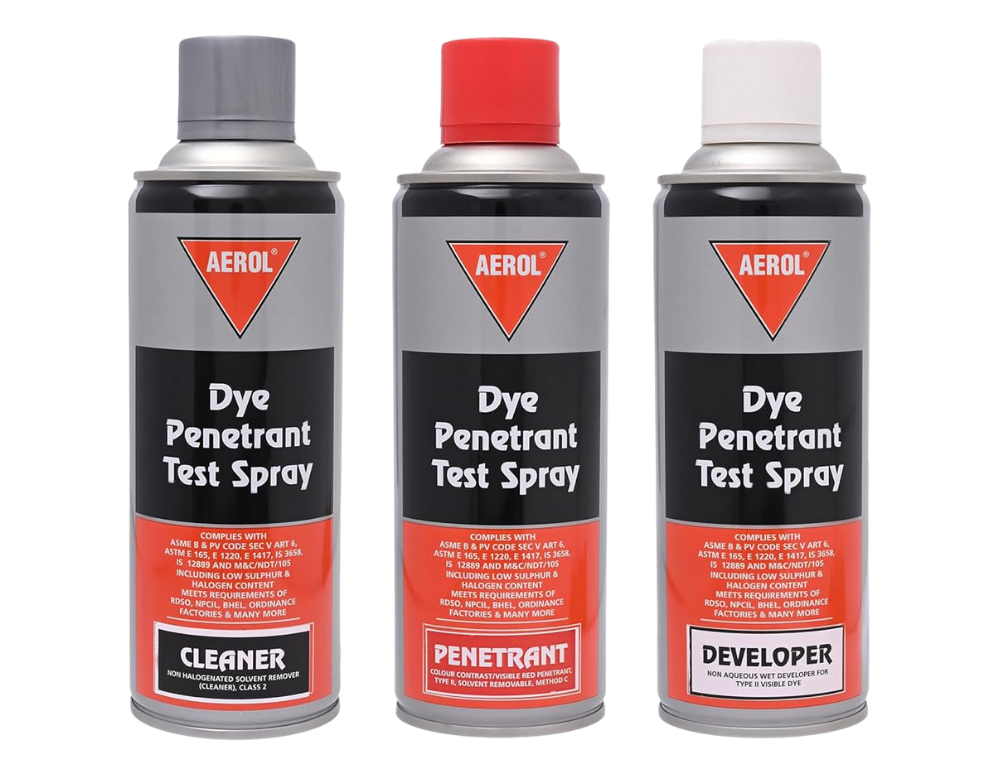
DPT is a non-destructive testing method used to detect cracks, surface-breaking defects, porosity, and imperfections in welds and metal surfaces.

How it improves quality:

  1. Identifies even the smallest cracks or flaws invisible to the naked eye.
  2. Ensures weld integrity and eliminates weak points.
  3. Allows us to confirm surface finish quality before painting or coating.
  4. Increases safety and reliability in load-bearing structures.

Using DPT across our weldments ensures flawless joints, superior finish quality, and failure-resistant performance.

img

img

DRY FILM THICKNESS TEST (DFT)

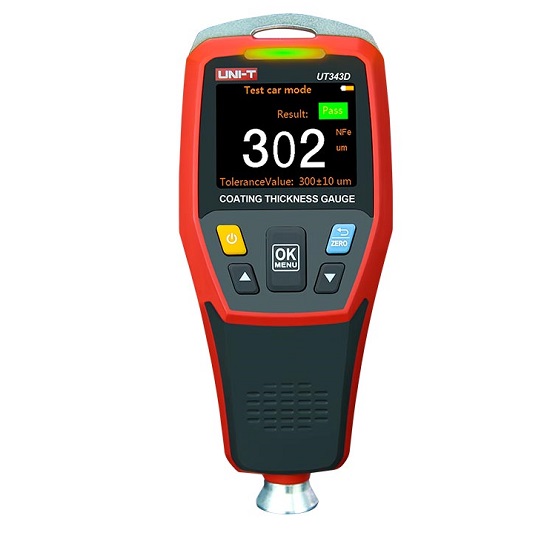
A DFT test measures the thickness of paint, powder coating, or other surface coatings applied on fabricated components.

How it improves quality:

  1. Ensures coatings are applied uniformly and within specification.
  2. Prevents premature corrosion due to insufficient coating.
  3. Avoids cracking, peeling, or uneven finishes caused by excessive coating.
  4. Guarantees long-term protection and superior aesthetic consistency.

Accurate DFT readings ensure that every surface treatment—from powder coating to epoxy systems—is durable, protective, and visually perfect.


CORROSION TESTING MACHINES

Corrosion testing equipment (such as salt spray chambers) simulates harsh environments to evaluate the resistance of coated or treated metals.

How it improves quality:

  1. Validates the effectiveness of surface treatments like powder coating, PU paint, epoxy primer, and waterproof coatings.
  2. Predicts long-term behaviour of fabricated products in coastal, industrial, or outdoor environments.
  3. Helps us fine-tune paint systems and coating processes for maximum durability.
  4. Ensures that products can withstand moisture, humidity, and corrosive atmospheres.

By conducting thorough corrosion testing, we guarantee that every component is built to survive real-world conditions and maintain its performance over time.

img

img

VERNIER HEIGHT GAUGE

A Vernier Height Gauge is a precision instrument used to measure and mark accurate vertical dimensions on components. With a stable base and fine-resolution scale, it ensures consistent, reliable measurements for fabrication and quality inspection.

Benefits:

  1. High accuracy and repeatability
  2. Ideal for height, depth, and step measurements
  3. Ensures precise marking and layout work
  4. Supports strict quality control standards

Together, these advanced testing methods enable us to maintain uncompromising quality standards throughout our fabrication process. From validating raw material strength and weld integrity to ensuring perfect coating thickness and corrosion resistance, each test reinforces our commitment to delivering products that are safe, durable, and built to outperform. By integrating scientific testing with precision craftsmanship, we offer our clients metal fabrication that meets international quality standards and stands the test of time.